
First and foremost, I would like to introduce CommuniKids Speech and Language Services, a pediatric speech therapy practice offering expert intervention for children with a range of speech and language disorders. Building strong relationships with kids and their families is at the forefront of their therapy approach and they specialize in working with kids who have difficulty with speech sounds, difficulty expressing themselves, and difficulty with grammar or vocabulary. They are currently serving families in Easton and the surrounding towns here on the South Shore, including Norwell, Weymouth, Hingham, Cohasset and Scituate.
They are giving us some valuable background information in regard to one of the most common questions they get and one many parents ask themselves: is my child’s speech and language development on track? Every child grows in their own way, but sometimes little differences in speech or language can leave you wondering: Is this just a phase, or should we get some extra help?
The truth is, there’s no “one-size-fits-all” timeline. Milestones are meant to help guide our understanding of language development, but each child develops at their own pace. Still, there are some common signs parents notice throughout childhood that may mean it’s time to check in with a speech-language pathologist (SLP).
Toddlers (18 months – 3 years)
Let’s start with the Littles! At this age, little ones are soaking up words and learning how to share their thoughts. As an SLP, I’m on the lookout for preverbal skills and a growing vocabulary.
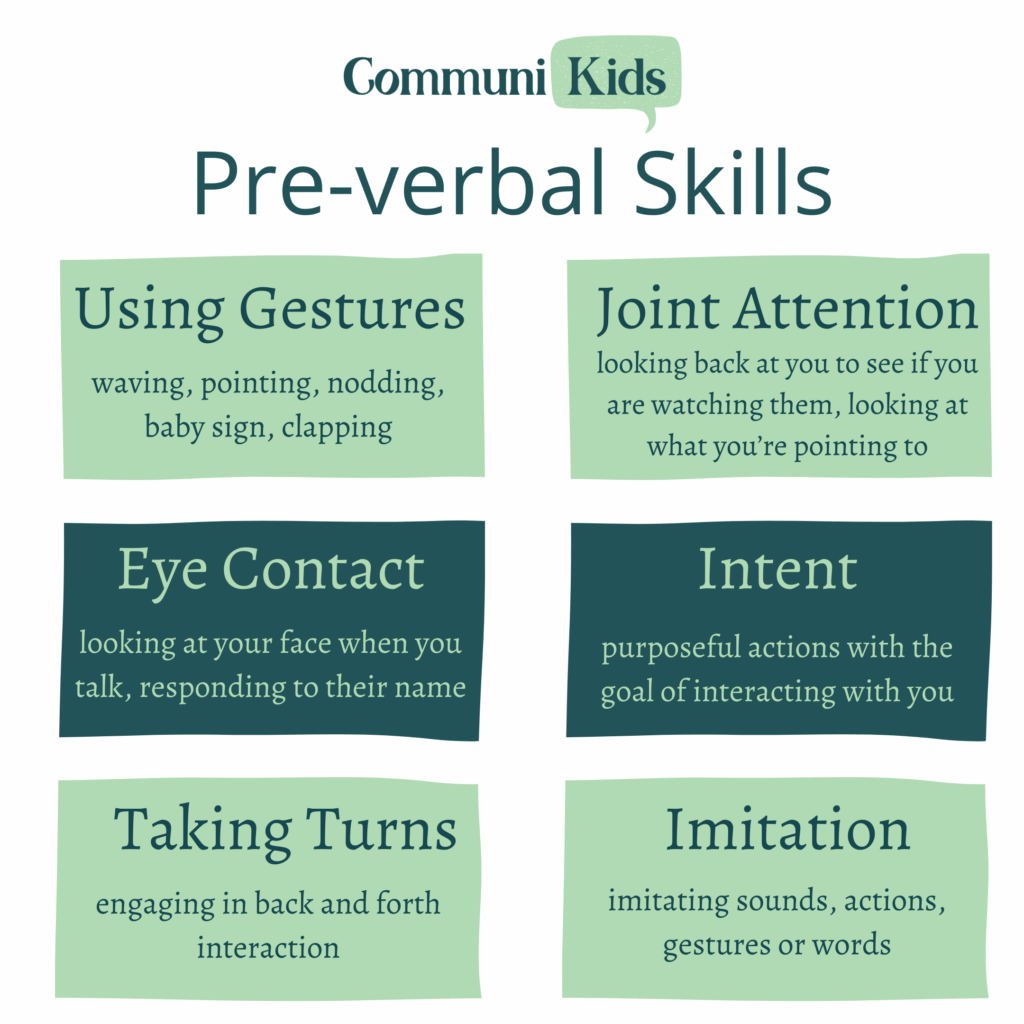
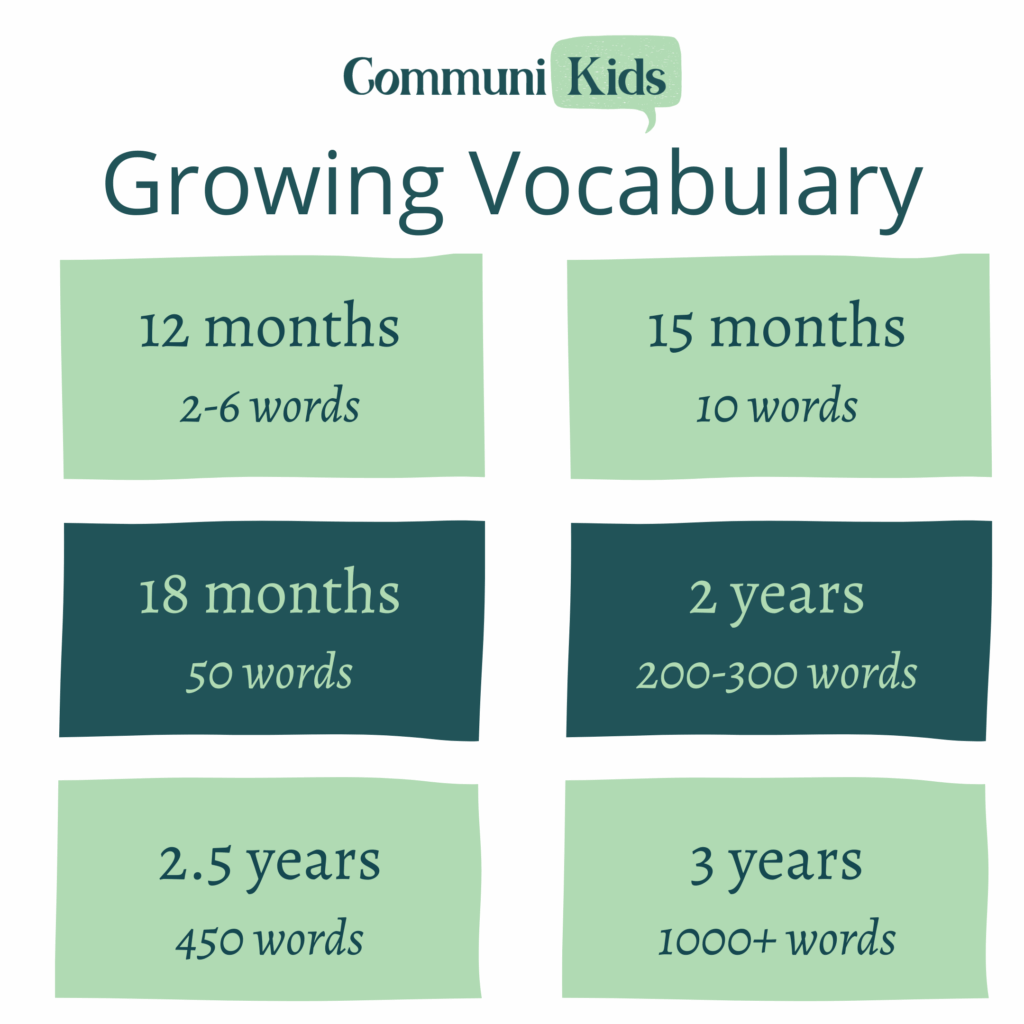
Things you might notice:
- They’re not saying many words yet, or they don’t try to put two words together by age 2.
- They don’t seem to understand simple directions like “get your shoes.
- They don’t point, wave, or copy sounds and gestures.
- You feel like they aren’t finding ways to “get their message across.”
Reach out if: By age 2, your child has fewer than 50 words, isn’t combining words, or doesn’t seem interested in communicating.
Preschoolers (3 – 5 years)
As preschoolers, kids are learning to tell stories, play with language, and chat with friends. This is when we start to see more fully formed grammar, longer narratives, and phonological awareness, which is the ability to identify letters and their corresponding sounds and to be able to manipulate them to make words.
Things you might notice:
- It’s hard for other people (outside the family) to understand what they say.
- They have trouble answering simple questions or retelling a short event.
- Their sentences are much shorter or simpler than other kids their age.
- Stuttering or repeating sounds happens often and doesn’t go away.
- Your child has trouble identifying letters and the sounds each letter makes
Reach out if: You find yourself acting as their “translator” or if communication frustrations get in the way of play and learning.
Early Elementary (5 – 7 years)
Now kids are using language for learning — reading, writing, and explaining their ideas. Their knowledge of letters, sounds, and how they interact become even more important.
Things you might notice:
- They still have trouble with sounds like “r,” “s,” or “th” that make them hard to understand.
- Following multi-step directions is tough.
- They struggle to learn new words, rhymes, or early reading skills.
- Storytelling feels jumbled or incomplete.
Reach out if: Teachers mention concerns, or your child feels frustrated trying to explain themselves.
Older Elementary (7 – 11 years)
During these years, kids are expected to use language to think deeply, learn in school, and connect socially.
Things you might notice:
- Ongoing sound errors that affect confidence.
- Trouble keeping up with classroom instructions or group projects.
- Struggles with reading comprehension, summarizing, or writing.
- Difficulty with jokes, figurative language, or social conversations.
Reach out if: Communication struggles are holding them back in school or making it harder to build friendships.
If you’re unsure whether your child’s speech and language skills are on track, trust your instincts. You know your child best. If something doesn’t feel right, it’s always okay to ask for help.
You don’t have to wait for a diagnosis or for your child to “catch up.” A quick conversation with an SLP can give you peace of mind — and if support is needed, the earlier we begin, the better. There is no harm in getting a comprehensive speech and language evaluation
Our SLPs will hear your concerns and develop an assessment plan tailored to your concerns! Hearing from a professional who has extensive training on speech and language skills and milestones will help you understand your child’s development, whether they would benefit from services, and will often provide you strategies and recommendations for action steps to take at home!
If you would like to set up a consultation or evaluation with CommuniKids you can call us at 617-340-9948 or email us at [email protected]